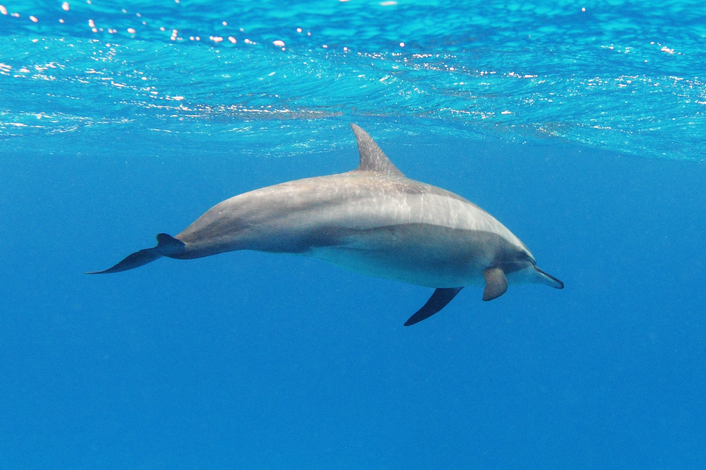
Some spell it Dolfin but the proper way to spell it is Dolphins. Either way you spell it, they are some of the most intelligent and charismatic animals in the ocean. Known for their playful behavior, complex social structures, and remarkable communication skills, dolphins have long captivated the attention of people worldwide. They are a crucial part of the marine ecosystem and are recognized as one of the most intelligent species on the planet. Beyond their fascinating behavior, dolphins also face significant environmental challenges that threaten their populations.
In this blog post, we will dive deep into the world of dolphins, exploring their physical characteristics, social behaviors, intelligence, communication skills, diet, habitat, and the challenges they face in the wild. Understanding dolphins from both a scientific and conservation perspective can help us better appreciate these amazing creatures and recognize the importance of protecting them.
Dolphins belong to the family Delphinidae, a group of marine mammals that includes about 90 species. While their size, color, and body shapes vary across species, dolphins share many common physical traits that make them perfectly suited for life in the ocean.
Streamlined Bodies: Dolphins have sleek, streamlined bodies designed for swimming at high speeds. Their fusiform shape, combined with smooth skin, reduces drag and allows them to glide through water efficiently. Dolphins can reach speeds of up to 37 mph (60 km/h) when swimming at full capacity.
Flukes and Fins: One of the most notable features of dolphins is their powerful tail, called a fluke, which they use for propulsion. Dolphins move their flukes in an up-and-down motion, which differs from the side-to-side motion used by fish. They also have a dorsal fin on their back that provides stability while swimming and pectoral flippers that help with steering.
Blowhole: Dolphins, like all mammals, breathe air and must surface regularly to inhale oxygen. They use a blowhole located at the top of their head to breathe, which closes tightly when underwater to prevent water from entering their lungs. A dolphin’s blowhole is adapted for quick and efficient breathing, allowing them to take deep breaths in just seconds.
Echolocation: One of the most fascinating adaptations dolphins have is the ability to use echolocation to navigate and hunt for food. Dolphins produce high-pitched clicks that bounce off objects in their surroundings, returning as echoes that help the dolphin form a mental map of its environment. This sophisticated biological sonar system is essential for dolphins hunting in murky waters or at great depths where visibility is limited.
Dolphins are widely regarded as one of the most intelligent species on Earth. They have large, complex brains relative to their body size, and their behavior reflects advanced cognitive abilities. These include problem-solving skills, tool use, memory, and even self-awareness.
Problem Solving: Dolphins have been observed demonstrating problem-solving abilities in both the wild and captivity. For example, they have been seen using sponges as tools to protect their snouts while foraging for food on the seafloor. Dolphins can also adapt their hunting strategies depending on the type of prey they are targeting, such as working together to herd fish into tight groups.
Self-Awareness: One of the most intriguing aspects of dolphin intelligence is their apparent self-awareness. Dolphins have passed the mirror test, which measures an animal’s ability to recognize itself in a mirror. This suggests that dolphins have a level of consciousness and self-recognition that is rare among non-human animals.
Social Learning and Culture: Dolphins are highly social creatures and live in groups known as pods. They learn from one another through observation and imitation, a process known as social learning. In some dolphin communities, specific behaviors, such as hunting techniques or vocalizations, are passed down through generations, suggesting a form of culture among dolphin populations.
Dolphins are known for their complex social behavior and sophisticated communication systems. They use a combination of vocalizations, body language, and physical touch to communicate with one another and maintain social bonds within their pods.
Vocalizations: Dolphins produce a wide range of sounds, including clicks, whistles, and squeaks. Each dolphin has its own signature whistle, which functions like a name, allowing individual dolphins to identify and call to one another. These signature whistles are unique to each dolphin and are often used by mothers to communicate with their calves.
Body Language: Dolphins also use body language to communicate. This can include slapping their tails on the water’s surface, leaping out of the water, or using their pectoral flippers to touch other dolphins. These behaviors convey different messages, such as playfulness, aggression, or a desire to bond.
Social Structure: Dolphins live in highly organized social groups that vary in size depending on the species and environment. In some species, like bottlenose dolphins, pods can be made up of several individuals, while other species, like orcas (which belong to the dolphin family), may live in larger, tightly bonded groups. Dolphin pods are often matriarchal, with females taking a leading role in social interactions and teaching young dolphins essential life skills.
Cooperative Hunting: Dolphins are cooperative hunters, working together to capture prey more efficiently. Some pods use advanced hunting techniques, such as encircling schools of fish or using mud rings to trap fish in shallow waters. This level of cooperation and coordination demonstrates the complexity of dolphin social behavior and their ability to work together to achieve common goals.
Dolphins are carnivorous and have varied diets depending on their species and habitat. Most dolphins feed on fish, squid, and crustaceans, though larger species like orcas may also hunt seals, sea lions, and even other whales.
Foraging Techniques: Dolphins use a range of techniques to catch their prey. As mentioned earlier, they are skilled cooperative hunters, but individual dolphins also employ other strategies to find food. Some dolphins use echolocation to detect fish hiding in the sand, while others use “fish-whacking,” where they use their tails to stun fish before eating them.
Feeding in Pods: Dolphins often hunt in groups, working together to herd schools of fish into tight balls before taking turns swimming through and feeding. This method of cooperative hunting ensures that all members of the pod get a chance to feed, and it reduces the energy required to catch prey.
Orca Predation: Orcas, also known as killer whales, are the largest species in the dolphin family and are apex predators in the ocean. They have a diverse diet, feeding on everything from fish to large marine mammals like seals and even other dolphins. Orcas are known for their highly strategic hunting methods, which include breaching onto ice to catch seals or creating waves to knock prey into the water.
Dolphins are found in oceans and rivers around the world, with different species adapted to various marine environments, from tropical waters to colder, temperate regions. While dolphins are most commonly associated with coastal areas, many species are also found in deep, open waters.
Coastal Dolphins: Coastal dolphins, such as the common bottlenose dolphin, prefer shallow waters near shorelines, bays, and estuaries. These areas are rich in food sources and provide an ideal habitat for raising young dolphins.
Offshore Dolphins: Other species, such as the spinner dolphin and some populations of bottlenose dolphins, are found in deeper, offshore waters. These dolphins are more migratory, often traveling long distances in search of food.
River Dolphins: While most dolphins are ocean dwellers, there are a few species of freshwater dolphins that live in rivers and lakes. These include the Amazon river dolphin and the Ganges river dolphin, both of which are critically endangered due to habitat loss, pollution, and human activities.
Dolphins face many threats in the wild, largely due to human activities. Some of the biggest challenges to dolphin conservation include pollution, bycatch (accidental capture in fishing nets), habitat destruction, and climate change.
Pollution: Dolphins are highly vulnerable to pollution, particularly plastic waste, oil spills, and chemical contaminants in the water. Ingesting plastics or getting entangled in fishing nets can cause injury or death. Chemical pollution also accumulates in the tissues of dolphins, leading to health problems like weakened immune systems and reproductive issues.
Bycatch: One of the leading causes of dolphin deaths is bycatch, where dolphins are unintentionally caught in fishing nets. Dolphins often become entangled in the nets, unable to free themselves, which can result in drowning or severe injury.
Habitat Loss: Human development along coastlines, including construction, shipping, and tourism, can disrupt dolphin habitats. Noise pollution from boats and ships also interferes with dolphins’ ability to use echolocation for communication and navigation.
To address these challenges, numerous conservation organizations and governments are working to protect dolphin populations. Some of the key initiatives include:
Marine Protected Areas (MPAs): Establishing MPAs helps protect critical dolphin habitats by restricting human activities such as fishing and boating in designated areas. These protected areas allow dolphins to thrive in environments free from human interference.
Dolphin-Safe Fishing Practices: Efforts to reduce bycatch have led to the development of dolphin-safe fishing gear and practices. Labels such as “dolphin-safe” tuna ensure that consumers are supporting sustainable
Whether you spell it Dolfins or Dolphins, remember, that dolphins are not only intelligent and socially complex animals, but they also play a vital role in maintaining healthy marine ecosystems. Understanding their anatomy, behavior, and the challenges they face in the wild is crucial for ensuring their long-term survival. As human activities continue to impact their habitats and populations, it is more important than ever to support conservation efforts that protect these remarkable creatures. From reducing pollution and bycatch to promoting sustainable fishing and establishing marine protected areas, there are many ways we can contribute to the preservation of dolphins and their oceanic homes. By raising awareness and taking action, we can help safeguard dolphins for future generations to admire and enjoy. You may want to swim with the Dolphins to really appreciate they beauty and grace!
Thank you for Reading the Dolphin World Blog today!

See More Swimming with Dolphin Updates, Photos, and Videos