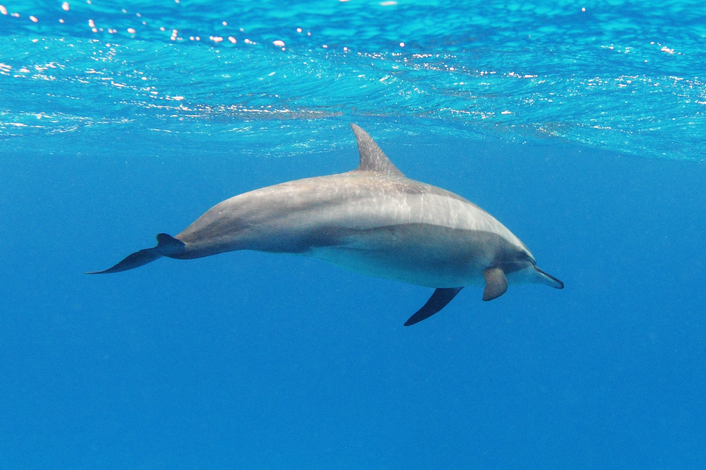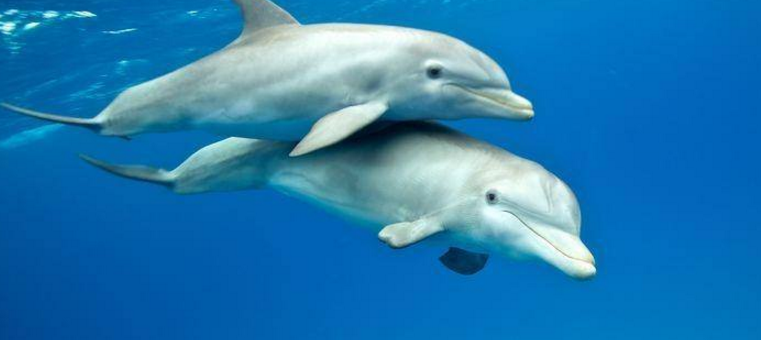
Dolphins, with their intelligence, social nature, and playful behavior, have long captured the imagination and admiration of people worldwide. However, despite their widespread popularity, dolphins face significant threats in the wild. Human activities such as pollution, overfishing, and habitat destruction have taken a toll on dolphin populations. The need for dolphin conservation is what humans can proud to part of to protect this vulnerable species.
In this blog post, we will explore the current threats facing dolphins, the importance of their conservation, and the various global efforts to protect these remarkable creatures. We’ll also discuss how individuals can contribute to dolphin conservation through lifestyle changes, advocacy, and supporting conservation organizations.
Dolphins play a crucial role in marine ecosystems as apex predators, meaning they are at the top of the food chain. By helping to maintain the balance of marine populations, dolphins indirectly support the health and biodiversity of their habitats. When dolphin populations decline, the entire ecosystem can suffer, leading to imbalances that affect fish stocks, coral reefs, and other marine life.
Additionally, dolphins are an indicator species, meaning their health reflects the overall condition of the marine environment. A decline in dolphin populations can signal larger issues such as pollution or unsustainable fishing practices that also harm other marine species and ecosystems. Protecting dolphins, therefore, means protecting the broader ocean environment that so many species—including humans—depend on for survival.
Dolphins also hold cultural and economic value. They are popular in ecotourism, drawing people from all over the world who want to experience dolphin-watching tours or participate in dolphin-swim programs. These activities can provide significant economic benefits to coastal communities, but only if managed sustainably to ensure the long-term health of dolphin populations.
Dolphins face numerous threats in today’s rapidly changing world. Some of these threats are the direct result of human activities, while others are linked to broader environmental issues such as climate change. Here are some of the most significant dangers to dolphin populations:
One of the greatest threats to dolphins is “bycatch”, which occurs when dolphins are unintentionally caught in fishing nets. Dolphins, being highly curious and social animals, often get entangled in nets used to catch fish like tuna or shrimp. Once trapped, dolphins can suffocate or suffer injuries from the nets, as they need to surface for air regularly. Bycatch is responsible for the deaths of thousands of dolphins each year, particularly in areas where large-scale commercial fishing operations take place.
Efforts to reduce bycatch include the development of “dolphin-safe fishing gear” and “observer programs” that monitor fishing activities to ensure that dolphins are not harmed. However, enforcement of these measures can be inconsistent, and illegal or unregulated fishing remains a significant problem in many parts of the world.
The world’s oceans are increasingly filled with pollutants, including plastics, heavy metals, and chemical contaminants, all of which pose a grave threat to dolphin populations. **Plastic waste** is particularly harmful, as dolphins can mistake floating debris for food or become entangled in discarded fishing lines, nets, and other debris.
Chemical pollution, including pesticides, oil spills, and industrial waste, contaminates the water and the prey that dolphins feed on. Over time, these toxins accumulate in dolphins’ bodies, leading to health problems such as weakened immune systems, reproductive issues, and even death.
Microplastics—tiny plastic particles that are now found in virtually every part of the ocean—also present a growing concern for dolphins. These particles can be ingested through the food chain, causing physical harm and disrupting the dolphin’s digestive systems.
Habitat Destruction
The destruction of marine habitats, including coral reefs, estuaries, and coastal areas, has a significant impact on dolphin populations. Many dolphin species rely on these habitats for feeding, breeding, and raising their young. However, activities such as coastal development, dredging, and deforestation disrupt these environments, reducing the availability of food and shelter for dolphins.
Boat traffic also poses a threat to dolphins, as collisions with vessels can cause severe injuries or fatalities. In areas with heavy boat traffic, such as busy shipping lanes or popular tourist destinations, dolphins are at greater risk of being struck by boats.
Despite the challenges facing dolphins, numerous conservation efforts are underway to protect these animals and their habitats. Organizations, governments, and individuals are working together to ensure the long-term survival of dolphin populations. Here are some of the key initiatives driving dolphin conservation:
Protected Marine Areas
Establishing **marine protected areas (MPAs)** is one of the most effective ways to safeguard dolphins and other marine life. MPAs are designated areas where human activity is restricted to protect the ecosystem and its inhabitants. These areas provide dolphins with safe environments where they can feed, breed, and raise their young without the constant threat of fishing, boat traffic, or pollution.
MPAs not only benefit dolphins but also help restore marine biodiversity, promote sustainable fishing practices, and support the overall health of the ocean ecosystem. Some notable examples of MPAs include the “Great Barrier Reef Marine Park” in Australia and the “Papahānaumokuākea Marine National Monument” in Hawaii.
Dolphin-Safe Fishing Practices
In response to the devastating impact of bycatch, the **dolphin-safe label** was created to certify that tuna and other fish products were caught using methods that do not harm dolphins. This initiative, led by the **Earth Island Institute**, has been widely adopted by the fishing industry and has helped reduce the number of dolphins caught in fishing nets.
In addition to promoting dolphin-safe fishing gear, many governments are enacting stricter regulations on fishing practices and increasing the use of **observers** who monitor compliance with these standards. These efforts aim to reduce dolphin bycatch and ensure that fishing practices are sustainable.
Rescue and Rehabilitation Programs
Around the world, rescue and rehabilitation centers work to care for injured, stranded, or sick dolphins. These programs provide medical treatment, rehabilitation, and, whenever possible, release dolphins back into the wild. In some cases, dolphins that cannot be released due to their injuries or inability to survive in the wild are cared for in sanctuaries.
Organizations like the **Clearwater Marine Aquarium** in Florida and the **Dolphin Research Center** in the Florida Keys are dedicated to rescuing and rehabilitating dolphins, as well as raising public awareness about the challenges dolphins face in the wild.
Research and Monitoring
Research plays a critical role in understanding dolphin behavior, biology, and the impacts of human activities on their populations. Conservation organizations, universities, and government agencies conduct studies to track dolphin populations, migration patterns, and health. This data helps inform conservation strategies and policies to protect dolphins and their habitats.
One important research initiative is the use of **acoustic monitoring**, which allows scientists to track dolphins using their vocalizations. By listening to dolphins’ sounds, researchers can gather information about their movements, behavior, and social interactions, even in remote areas of the ocean.
While large-scale conservation efforts are crucial for protecting dolphins, individuals can also make a difference. Here are some ways you can contribute to dolphin conservation:
Support Dolphin-Safe Products
When purchasing seafood, look for the “dolphin-safe label” to ensure that your choices do not contribute to dolphin bycatch. Supporting sustainable and ethical fishing practices helps protect dolphins and other marine species from harm.
Reduce Plastic Use
Reducing your plastic consumption can significantly impact the health of marine environments. Simple actions like using reusable bags, bottles, and containers can help prevent plastic waste from entering the ocean, where it poses a deadly threat to dolphins and other marine life.
Participate in Beach Cleanups
Joining a local beach or ocean cleanup can help remove plastic waste and other pollutants from dolphin habitats. These cleanups are a hands-on way to protect marine life and raise awareness about the impact of pollution on the ocean.
Advocate for Dolphin Protection
Raise awareness about dolphin conservation by sharing information with friends, family, and your community. You can also support conservation organizations, sign petitions, or advocate for stronger environmental protections at the local, national, or international levels.
Dolphins are not only extraordinary animals but also vital to the health of marine ecosystems. Their intelligence, social nature, and importance in maintaining balance in the ocean make them worth every effort to protect. Despite the significant threats they face from human activities such as bycatch, pollution, and habitat destruction, global conservation efforts are making strides in safeguarding their future. By supporting sustainable practices, raising awareness, and contributing to conservation initiatives, individuals can play an essential role in preserving these remarkable creatures. Ensuring a future for dolphins requires a collective effort, but with continued dedication and action, we can help protect them and their habitats for generations to come.
Thank you for Reading the Dolphin World Blog today!

See More Swimming with Dolphin Updates, Photos, and Videos